
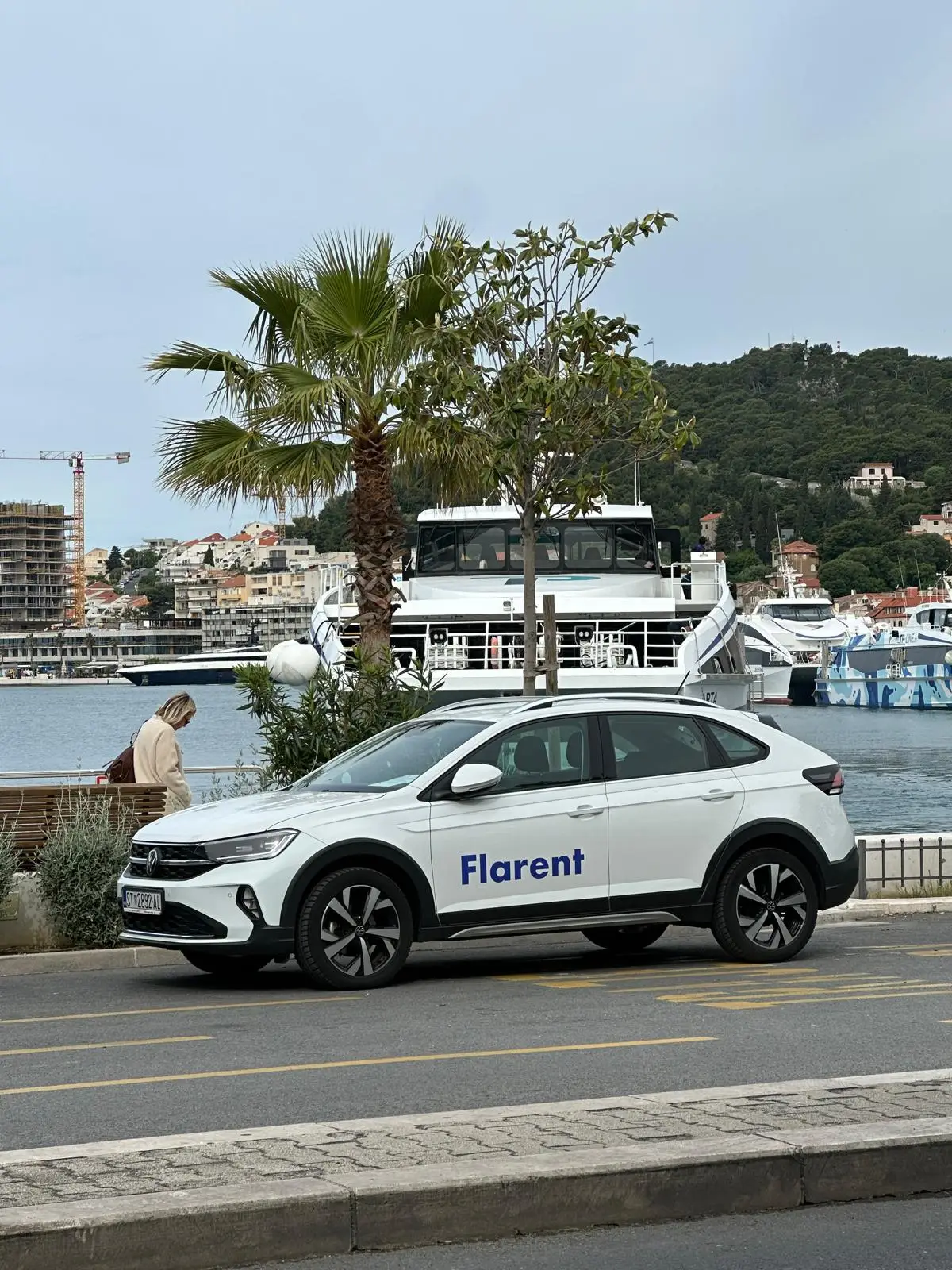
Renting an economy car in Split starts from about €60 per day, and it’s the best way to explore Dalmatia beyond the old town. The top beaches, waterfalls, local restaurants, and viewpoints outside Split are spread along the coast and inland where buses don’t reach. After more than ten years at Flarent helping guests with this decision, I can share the local perspective on why renting a car is worth it, what you’ll actually pay, and the details that often surprise visitors.
What a rental car unlocks around Split
To be clear, you won’t be driving much inside the old town since it’s pedestrian-only, which is part of what makes it special. But Split is a great base because of everything nearby, and that’s where having a car really pays off.
Within an hour’s drive, you can reach places like Trogir, the Kaštela coast, Omiš, the Cetina canyon, Sinj, the Dalmatian interior or Makarska’s beaches. Rural restaurants, hilltop forts, and quiet coves aren’t on bus routes. The difference between catching an early bus and leaving when you’re ready is the difference between following a schedule and enjoying your holiday. With your own car, you can stop at a winery whenever you like, and watch the sunset along the Makarska Riviera without worrying about the last bus.
My advice is to use your rental car for exploring the region, not just the city. Even two or three days of touring make renting worthwhile. You can pick up your car at the airport or in the city, and the process is quick and easy.
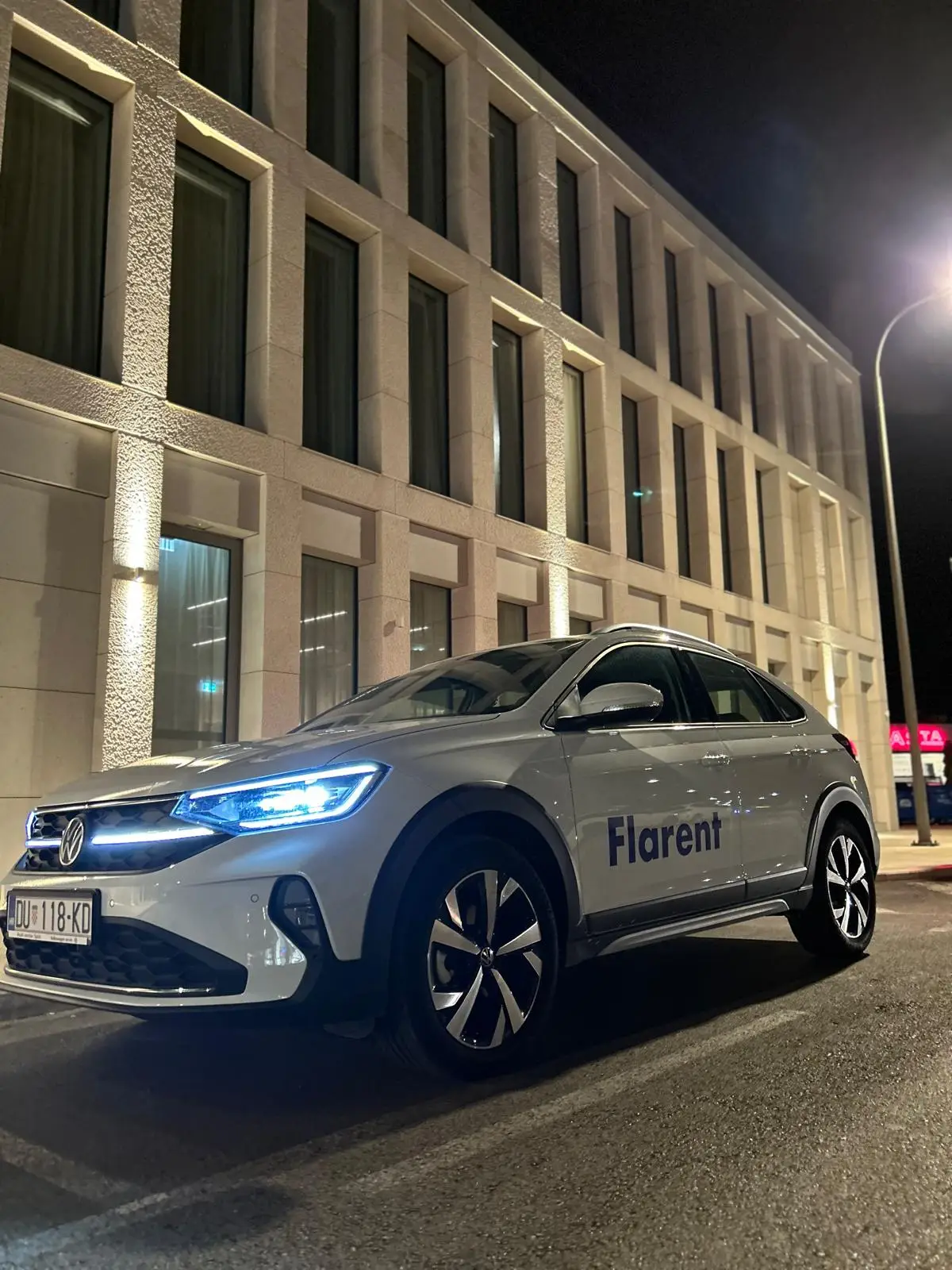 Flarent has a wide selection of cars
What car hire costs in Split (2026)
Economy manual hatchbacks from €60/day. Comfort manual €65/day. Intermediate manual or automatic €70/day. Economy automatic €80/day. Station wagon €85/day. 7-seater €120/day. 9-seater van €150/day. Book direct at Car Rental Split to save 10% off the rack rate.
Remember to budget for extras like fuel, motorway tolls, parking, and optional insurance to reduce your excess.
Two local tips: automatic cars are less common than manuals in Croatia, so book early if you need one. Also, booking at least a week in advance usually gets you the best price.
Insurance, deposits & the fine print
This is the part where many holiday budgets get stretched:
- CDW (Collision Damage Waiver) is usually included, but with an excess, often €500–1,500 depending on car class, which you’re liable for in any damage event. Read the figure before you sign.
- Deposits are blocked on a credit card. Expect a hold roughly matching the excess.
- Excess reduction / full cover can be bought from the rental desk.
- Tires, glass, undercarriage and mirrors are commonly excluded from basic CDW, which matters on Dalmatia’s narrow lanes and gravel viewpoint pull-offs.
- Cross-border clauses: taking the car to Bosnia and Herzegovina (Mostar, Međugorje) or Montenegro usually requires advance permission and a cross-border fee. Note you no longer cross Bosnia to reach Dubrovnik thanks to the Pelješac Bridge.
- Photograph everything at pickup: every scratch, the fuel gauge, the windscreen, timestamped on your phone.
Parking in Split
To be honest, parking near the old town takes some planning, but it’s manageable once you understand how it works. The city uses color-coded paid zones managed by Split Parking. The closest zone to the old town (Zone 1, red) costs €1.20 per hour in summer and €0.80 in winter. It’s enforced Monday to Friday from 06:30 to 21:30, and Saturday from 07:00 to 14:00. Parking is free on Sundays. An all-day ticket in summer costs €18, which is less than two cocktails on the Riva.
Better options include paid garages and open lots around the center, hotel or apartment parking, or nearly free street parking. You can pay by meter, SMS, or the Split Parking app. In August, it’s best to arrive early or park a bit farther out and walk in. On days when you’re touring, you’ll be out of the city before parking fills up and back after dinner, so parking is less of a concern.
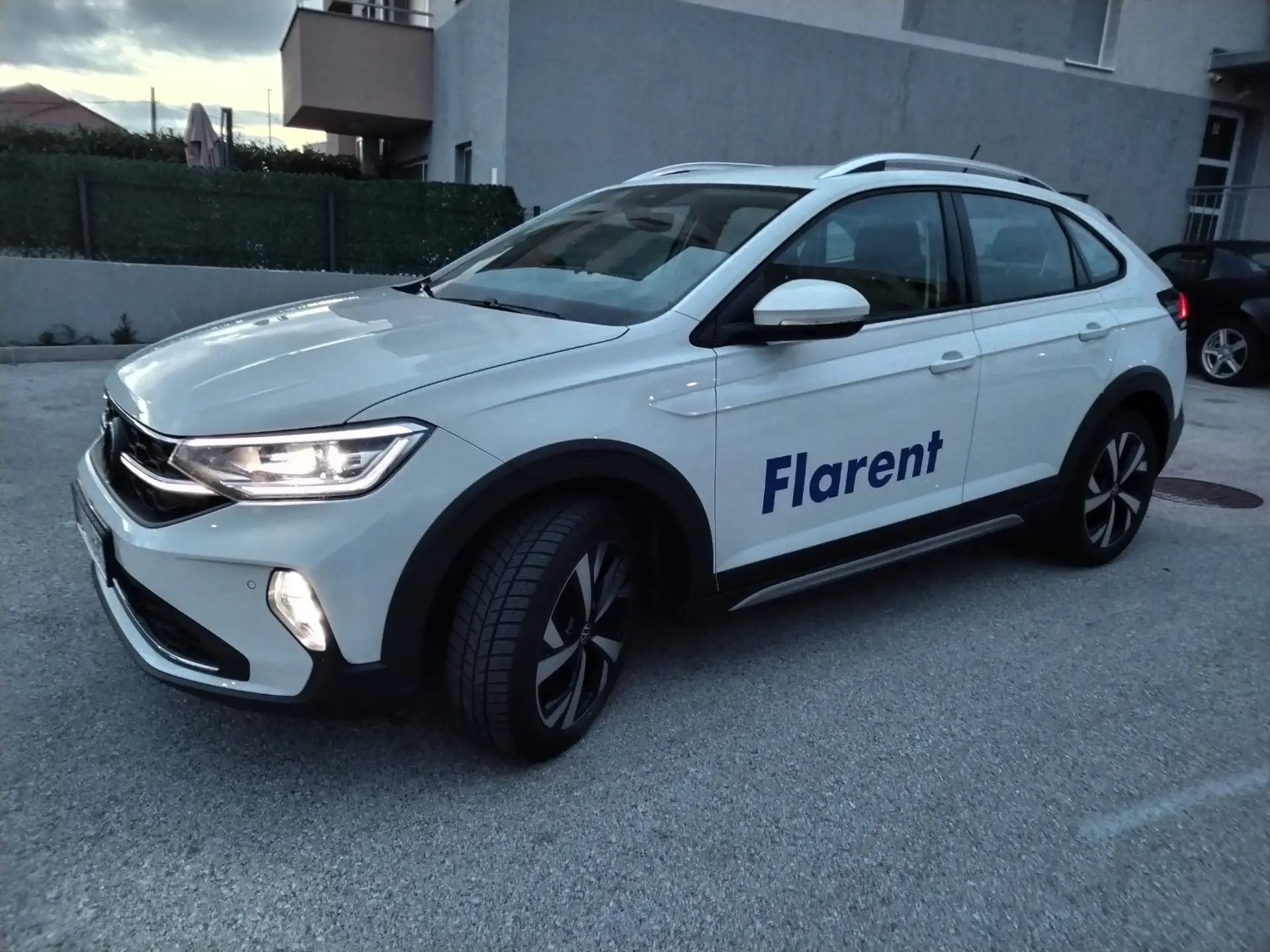 Choose between automatic or manual
Self-drive day trips vs ones better done as tours
Here’s where renting a car is most useful, and a few trips where taking a tour is actually better:
Great self-drive:
- Trogir & Omiš: short coastal hops, perfect for a slow day with stops.
- The Makarska Riviera: an hour’s drive along a beautiful coastal road with plenty of places to stop for a swim. This is perfect for exploring on your own.
- The hinterland: Klis fortress, Sinj, vineyards. No tour bus goes where you can.
Better as a tour or transfer:
- Plitvice Lakes: Nearly six hours of driving (for both ways together) makes a guided day far more pleasant.
- The islands: For Hvar and Brač, car-ferry slots often sell out in summer. Traveling as a foot passenger on a catamaran or speedboat is usually faster and cheaper.
- Dubrovnik day trip: It’s possible, but parking in Dubrovnik is very difficult. A guided tour starts at €85 per person, and you won’t have to worry about parking.
Crossing borders & taking a rental on ferries
There are two important things to check at the rental desk.
For borders: Bosnia (for Mostar or Međugorje) and Montenegro usually need advance approval and a cross-border fee. EU neighbors like Slovenia are usually fine, but always ask.
For ferries: Most Croatian agencies let you take your car on domestic island ferries (like Brač or Hvar via Stari Grad), but international ferries to Italy are usually not allowed. Book car-ferry tickets early in July and August, and consider if it might be easier to travel as a foot passenger and rent a car when you return.
Still not sure if you should rent a car? Flarent’s family-run Car Rental Split offers fair local rates with clear excess terms. You can send your itinerary on WhatsApp at +385 95 336 2332. We are available daily from 08:00 to 20:00.