
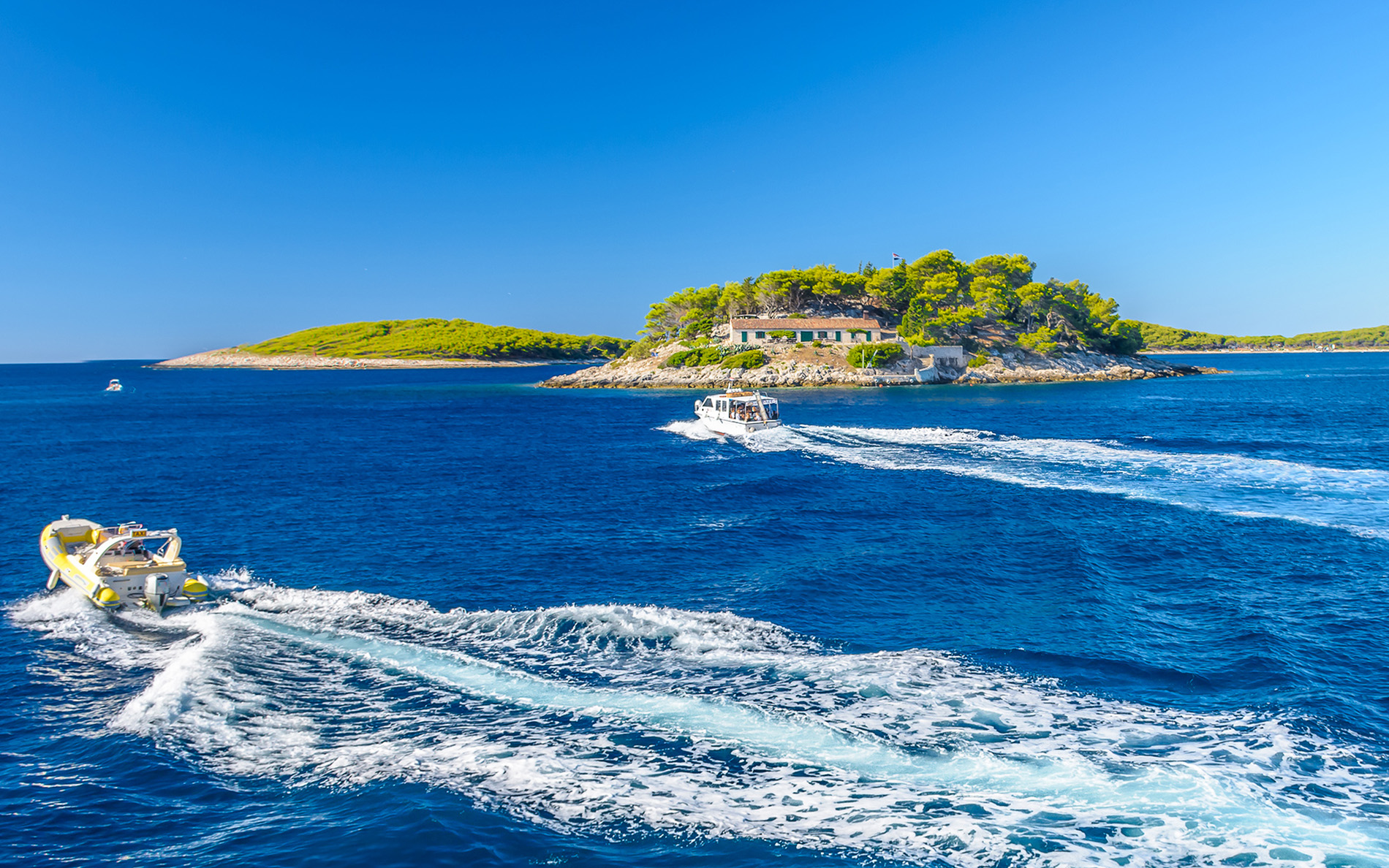
Get a direct speedboat to Hvar, Brač, Vis, or anywhere along the Dalmatian coast. Choose your boat, set your schedule, and bring up to 12 passengers.
Flarent runs 7 private speedboat transfer routes between Split and the Croatian islands, starting from €600 per boat — including Hvar, Brač (Supetar, Milna, Bol), Vis, and Trogir. Direct port-to-port departures on your schedule.
Boat transfer durations and final pricing may vary based on sea conditions and exact route details.
Get to the main island destinations from Split quickly, without waiting in ferry lines.
A private speedboat from Split to Hvar takes about 55 minutes and costs from €850 for up to 12 people. The price includes fuel, a skipper, and luggage. Flarent offers private speedboat transfers from Split’s harbor to Hvar, Brač (Bol, Supetar, Milna), Vis, Trogir, and Split Airport. You can leave when you want with a licensed local skipper. This is the fastest way to reach the islands without waiting in ferry lines.
| Location | Duration | Price |
| Split ⇄ Split Airport (by sea) | ~15 min | €600 |
| Split ⇄ Trogir | ~20 min | €650 |
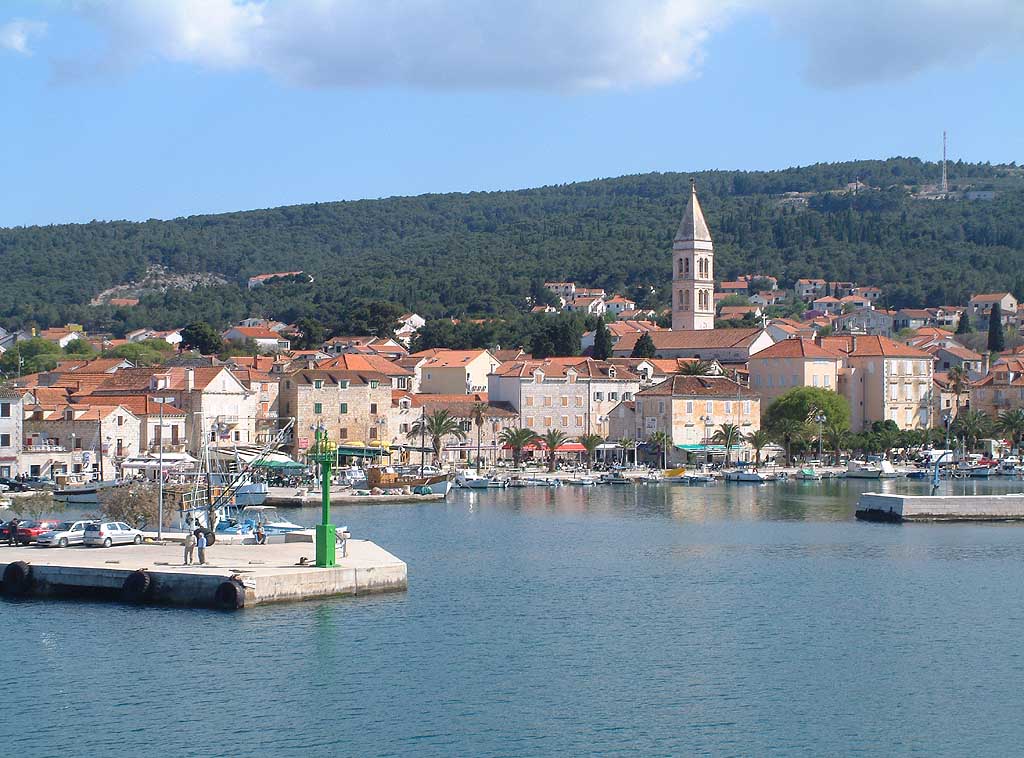
| Split ⇄ Supetar (Brač) | ~20 min | €600 |
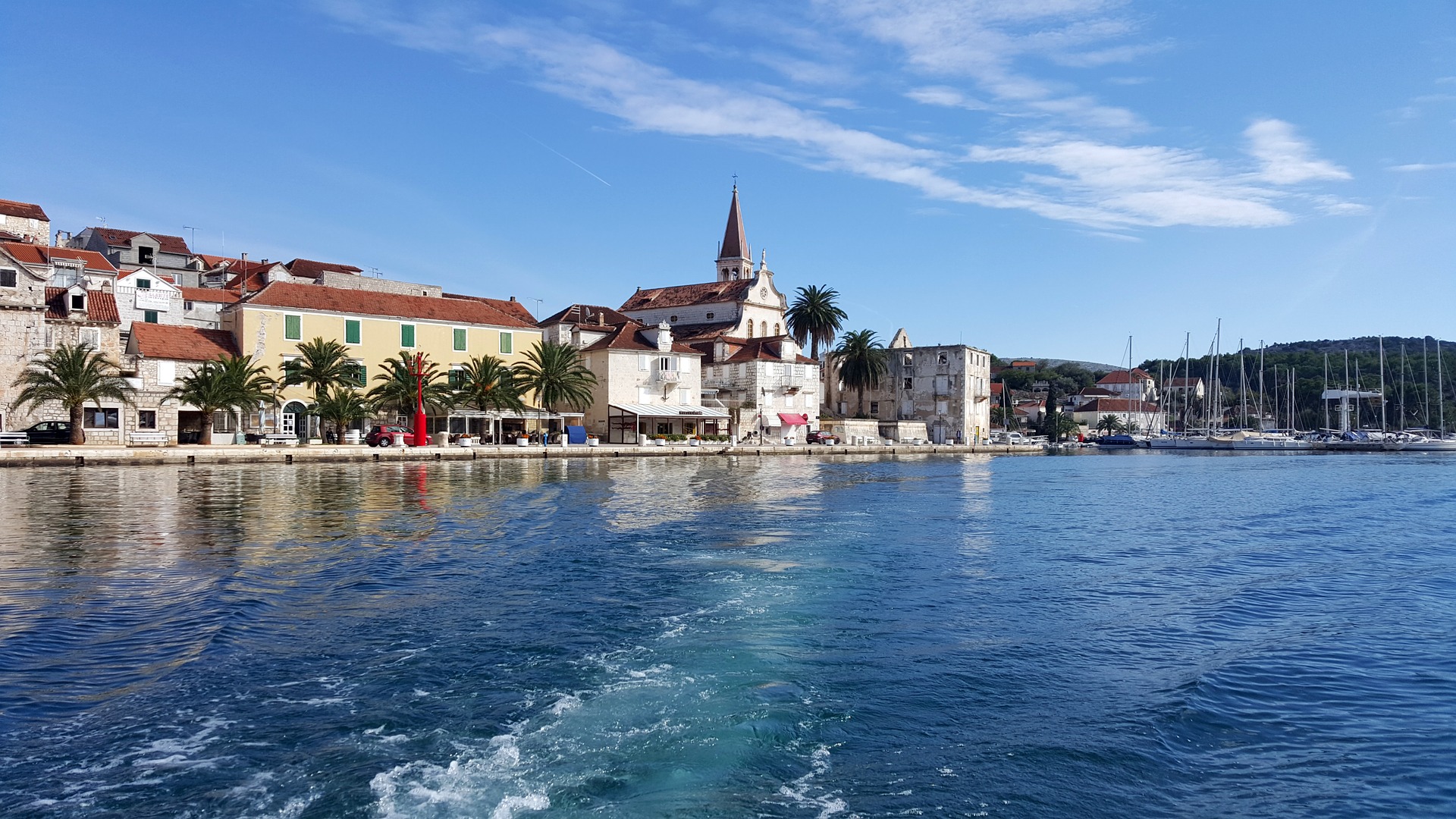
| Split ⇄ Milna (Brač) | ~25 min | €680 |
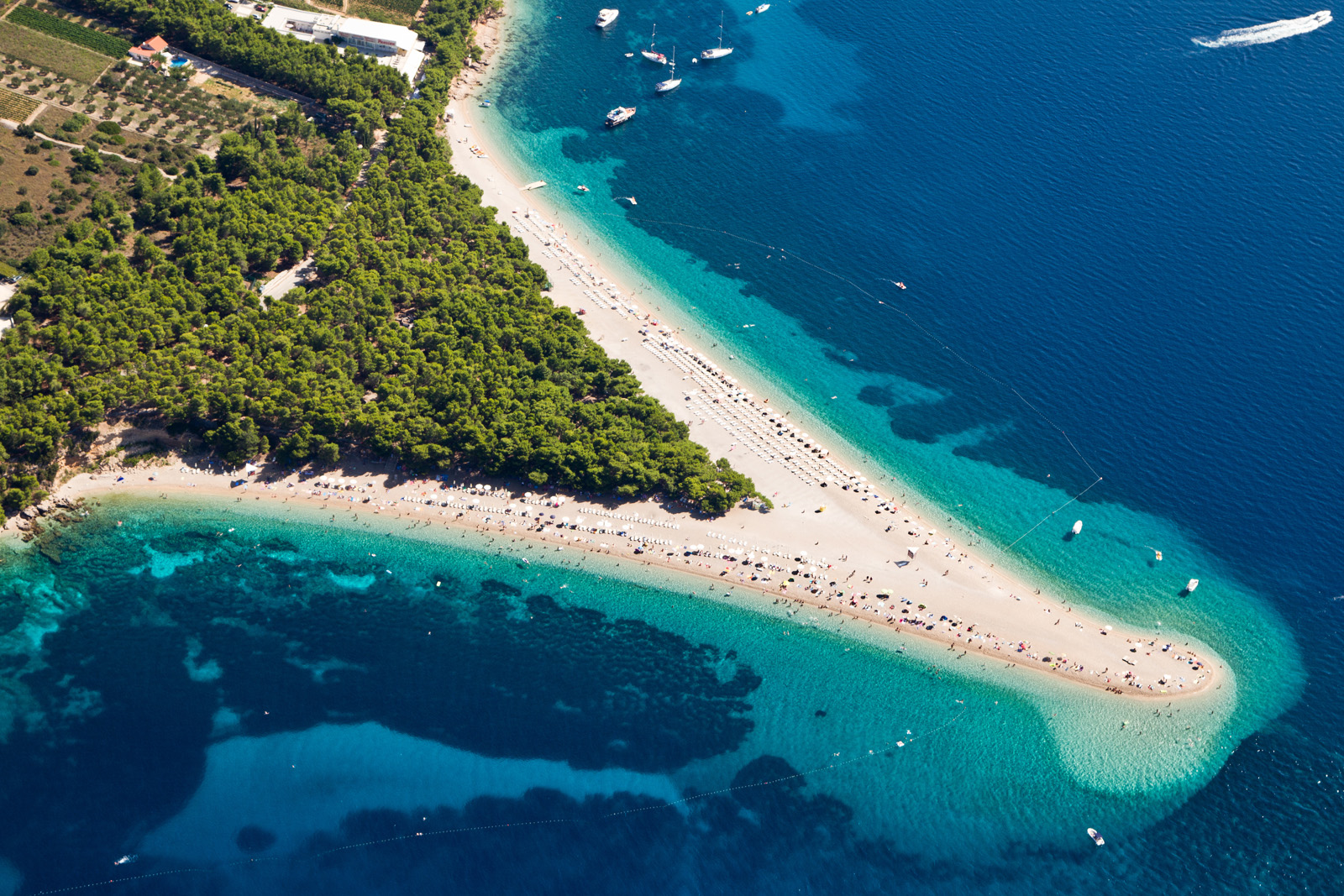
| Split ⇄ Bol (Brač) | ~55 min | €850 |
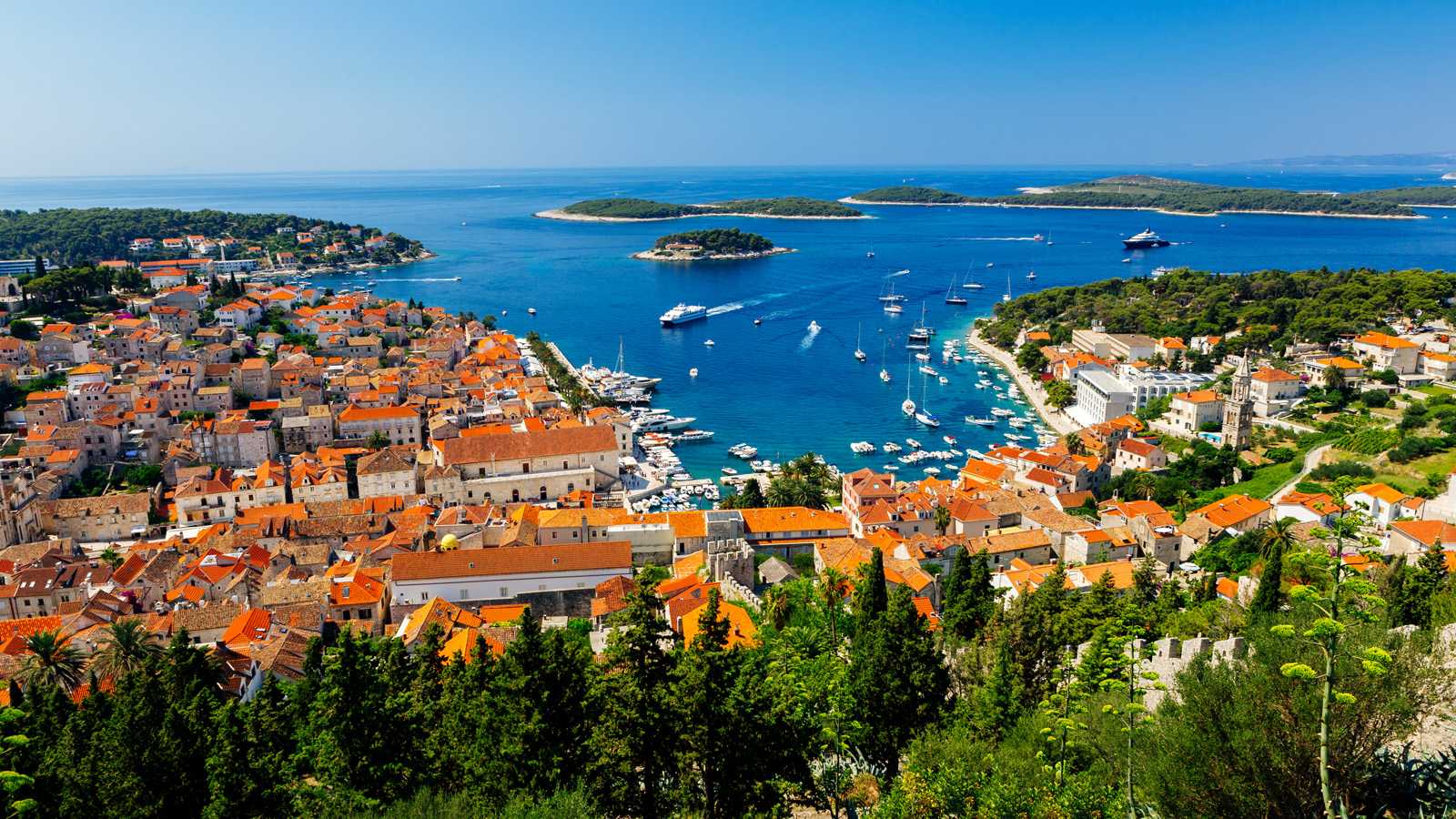
| Split ⇄ Hvar Town | ~55 min | €850 |
| Split ⇄ Vis | ~1 h 20 | €950 |
*Prices are for the whole boat, not each person. Trip times are based on normal sea conditions.
Catamarans and car ferries from Split are affordable, but in July and August, they often sell out. Lines can be long, and fixed schedules limit your plans. The last boats leave early, and many island ports only have a few departures each day. With a private speedboat, you skip these problems. You choose your departure time, board close to your accommodation, travel straight to your destination, and arrive right at the town quay. If you split a €850 Hvar transfer between 10 friends, it’s €85 each for a door-to-dock ride that takes about as long as the catamaran, but on your own schedule.
This is the classic route. In about 55 minutes, you’ll arrive in Hvar Town, just below the Spanish Fortress and near restaurants and beach clubs. Public catamarans take about an hour, but they have fixed schedules and get crowded in the busy season. With a private boat, you can leave when you want and ask to be dropped off at Stari Grad, Jelsa, or a Pakleni Islands beach club.
Brač is the closest large island to Split. Supetar (20 minutes, €600) is the main town facing Split. Milna (25 minutes, €680) is a sheltered yacht harbor on the west coast. Bol (55 minutes, €850) is on the south shore and is home to Zlatni Rat, Croatia’s most famous beach. The car ferry to Supetar takes about 50 minutes, and getting to Bol by public transport means taking a ferry and then a bus across the island. The speedboat takes you straight there.
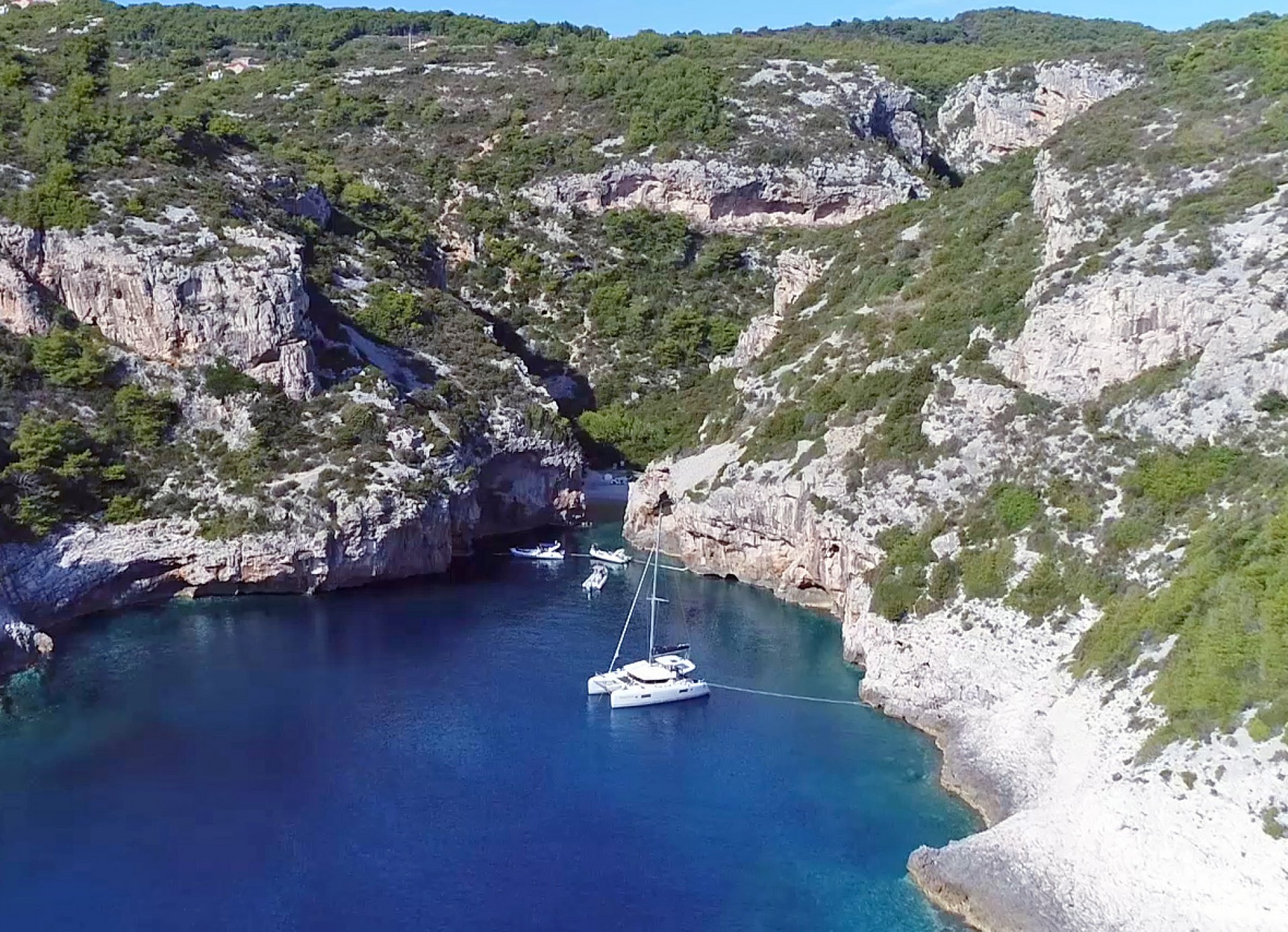
Vis is the furthest inhabited island in the group (about 1 hour 20 minutes, €950). It was closed to foreign visitors during the Yugoslav era, which helped keep its natural charm. It was also the filming location for Mamma Mia! Here We Go Again. With a private transfer, it’s easy to visit Vis even for a short trip, and skippers can take you past Stiniva cove if you ask.
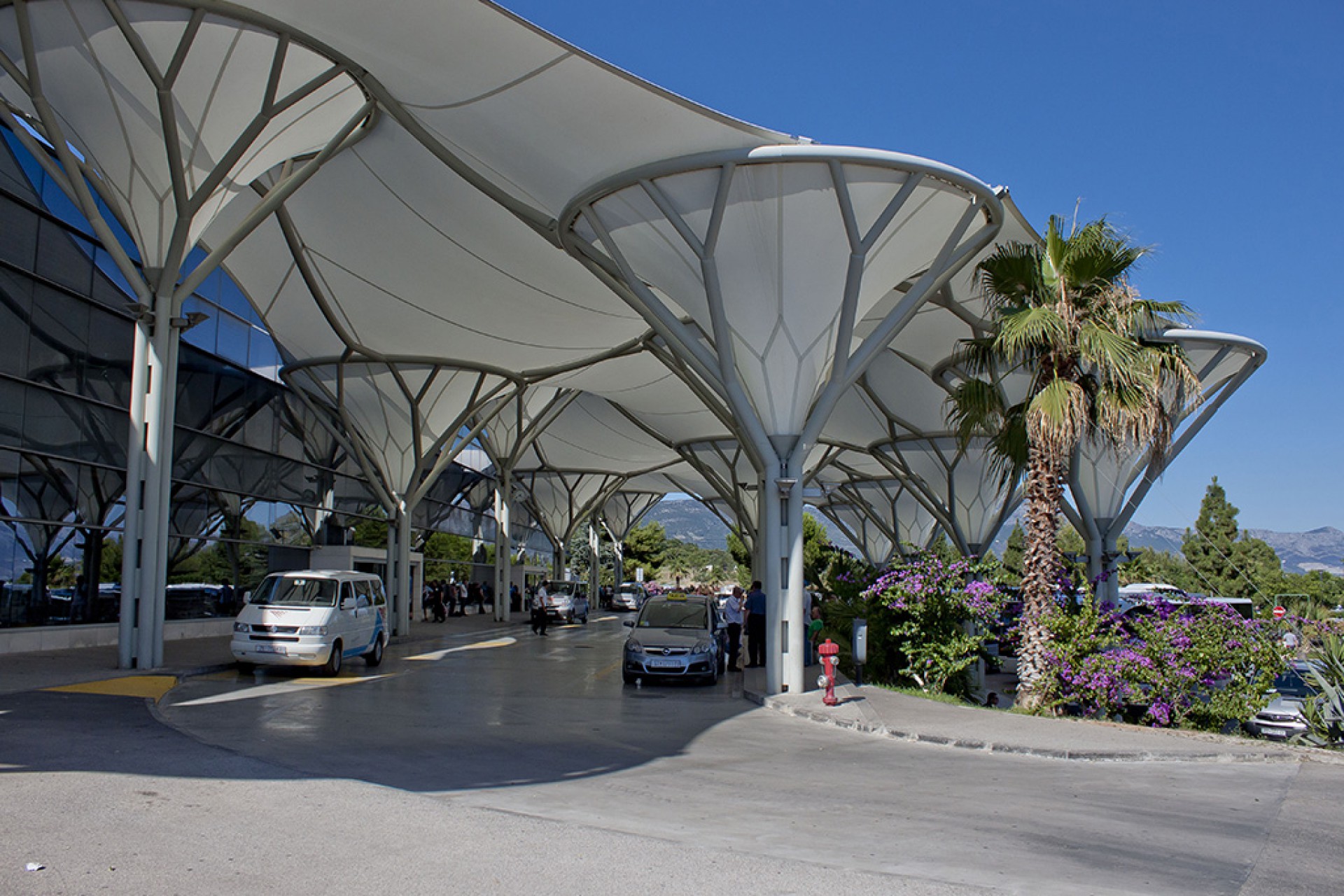
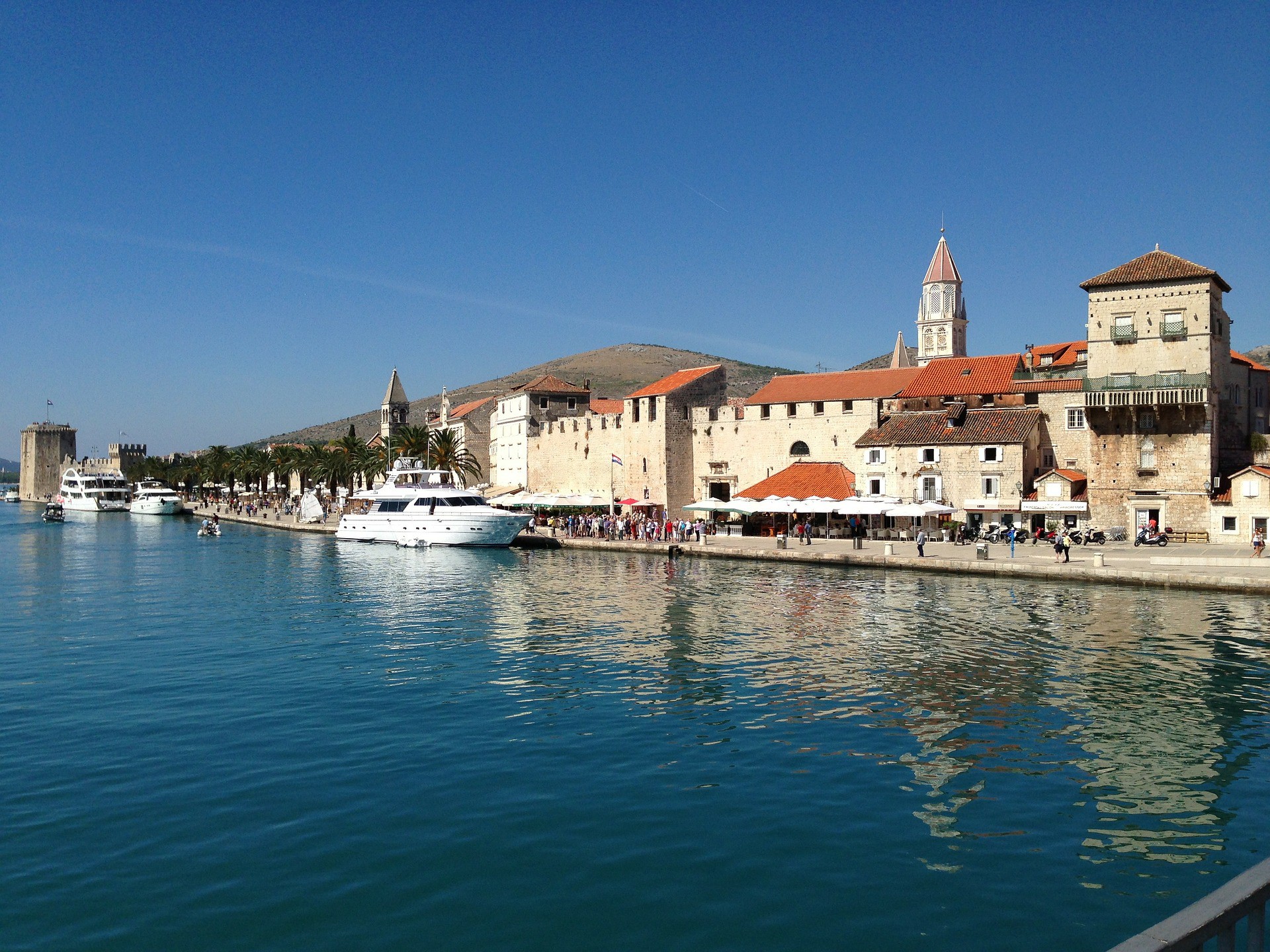
These are two short trips that offer great value. Split to Trogir (20 minutes, €650) connects two UNESCO World Heritage sites across Kaštela Bay. Split to Split Airport (15 minutes, €600) makes your airport transfer a scenic shortcut. The airport is close to the Resnik shoreline, just minutes from a dock, so you can avoid road traffic on busy summer days.
Every Flarent boat transfer includes a private speedboat for your group (up to 12 passengers), a licensed skipper, fuel, standard luggage, and port handling at both ends. Life jackets are always on board, and skippers adjust the route for your comfort. You can cancel for free, and if the weather makes it unsafe to cross, we will rebook or give you a refund. The skipper always decides what is safe.
A transfer can be more than just getting from one place to another. You can add stops, like Split to Hvar with a swim at the Pakleni Islands, or Split to Bol via Milna for lunch. You can also book a custom half-day or full-day island-hopping trip. Tell us your dates, group size, and what you want to do at info@flarent.hr or on WhatsApp (+385 95 336 2332), and we’ll help you find the right boat and route.
Share your pickup and destination, and we’ll help you find the best boat for your trip.
Travel with your group in a private speedboat.
Pick the departure time that works best for your plans and the weather.
Our experienced local skippers make sure your ride is safe and efficient.
A private speedboat from Split harbor to Hvar Town takes about 55 minutes. This is similar to the public catamaran, but you can leave when you want and arrive right at the town quay.
Prices range from €600 for Split to Split Airport (15 minutes) up to €950 for Split to Vis (1 hour 20 minutes). Split to Hvar and Split to Bol are €850. Each price is for the whole boat, up to 12 passengers, and includes the skipper and fuel.
No, the price is for the whole boat. For example, if 10 people share a €850 Split–Hvar transfer, it comes to €85 per person, all-inclusive.
Our skippers monitor the weather and may adjust departure times or routes if needed. If it is not safe to cross, we will rebook you for another time or give you a refund. Your safety is our top priority.
Sometimes yes, depending on your route and if a skipper is available. Check live options online or message us on WhatsApp at +385 95 336 2332 for the fastest response.
Standard travel luggage, like one suitcase and a carry-on per person, fits easily. If you have large items such as bikes, dive gear, or prams, please let us know when you book so we can choose the right boat for you.
Usually, yes. Skippers can drop you off at other harbors, hotel jetties, or beach clubs, such as Stari Grad instead of Hvar Town, or the Pakleni Islands. Just mention your preference in the booking notes.
Travel times are about the same as fast catamarans, but you save time in other ways. There is no waiting in line, no set schedule, and you leave as soon as you are ready—even early in the morning or late at night when ferries are not running.
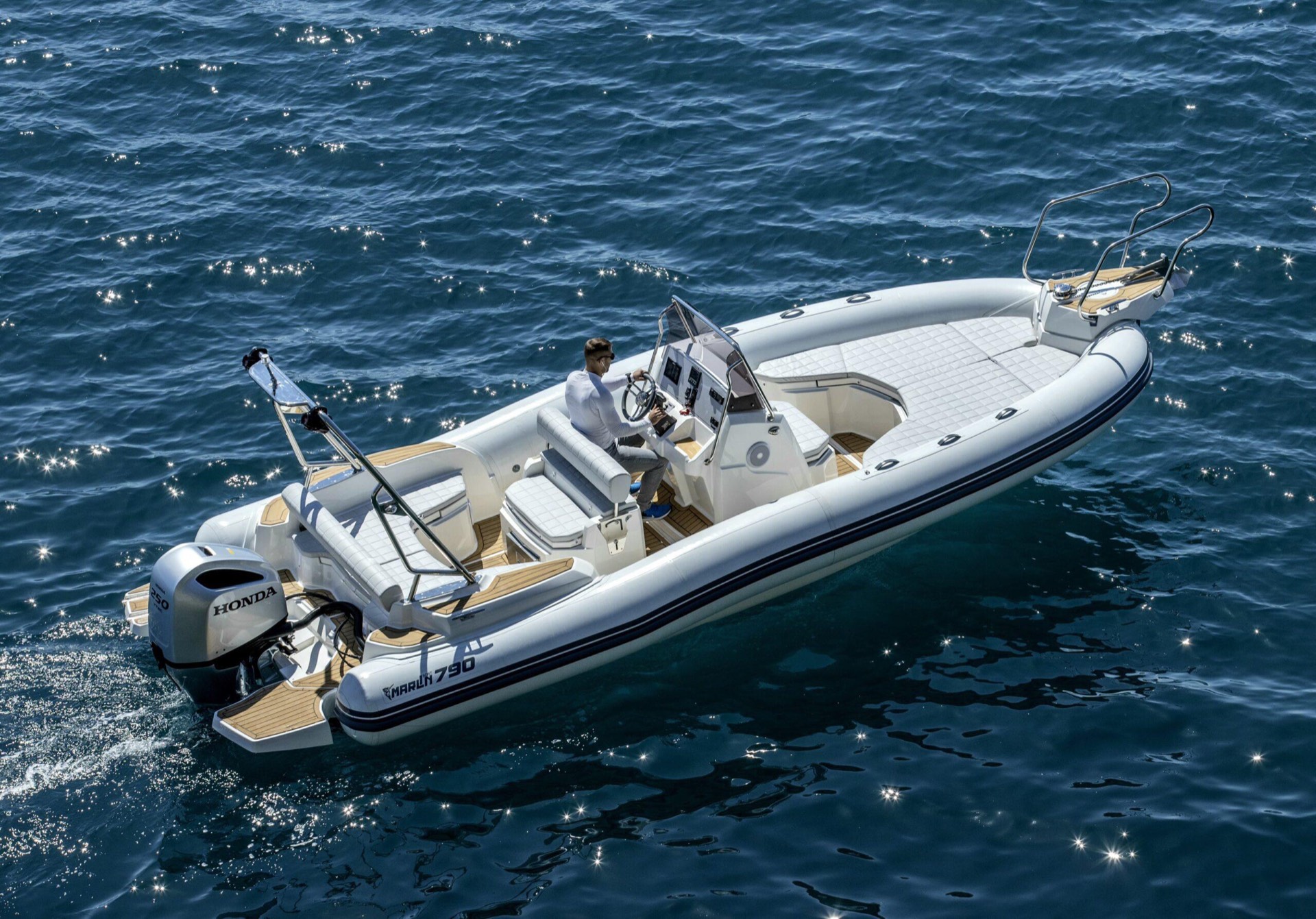
Private experiences at sea
Skippered speedboat charters, island transfers, and custom day trips to the Blue Lagoon, Hvar, Brač, and the Blue Cave — planned around your group.


&price=600&image=https%3A%2F%2Fcms.split-cityexcursions.com%2Fstorage%2Fapp%2Fmedia%2Fplaces%2Fsupetar.jpeg)
&price=680&image=https%3A%2F%2Fcms.split-cityexcursions.com%2Fstorage%2Fapp%2Fmedia%2Fplaces%2Fmilna.jpeg)
&price=850&image=https%3A%2F%2Fcms.split-cityexcursions.com%2Fstorage%2Fapp%2Fmedia%2Fplaces%2Fbol.jpeg)

